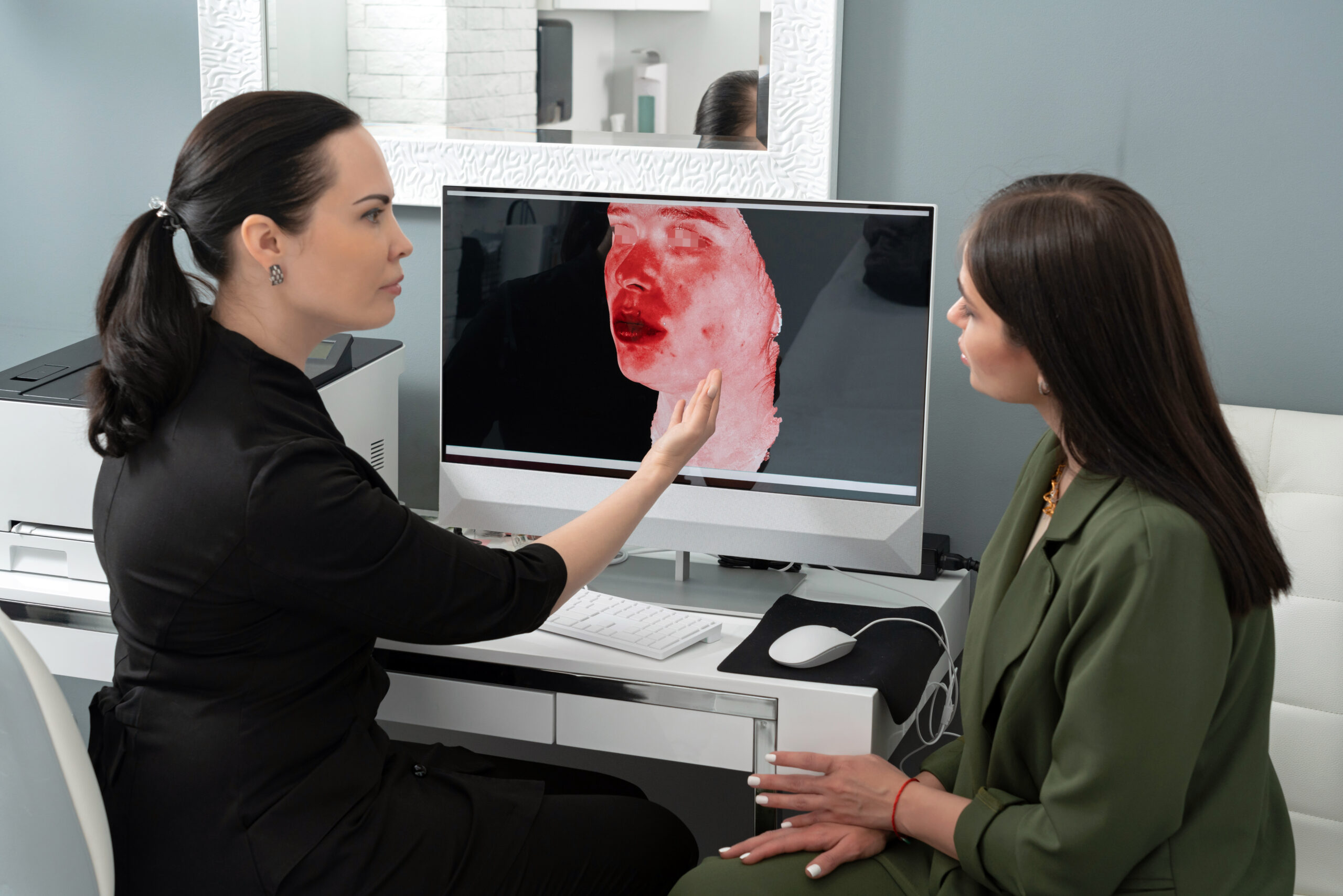
Patients considering med spa treatments often focus on benefits like smoother skin, fewer wrinkles, or body contouring. However, every medical aesthetic procedure can involve side effects or complaints, even when performed by experienced clinicians. Understanding these risks and how they are handled helps patients make informed decisions, improves results, and promotes safer care. Patient safety and satisfaction rely on clear communication, proper screening, and good aftercare.
Med spa treatments range from injectables like Botox and dermal fillers to lasers, chemical peels, microneedling, and body contouring. While many patients experience positive results, there are known side effects and complaints that can occur. These vary by procedure but generally fall into mild, moderate, and rare categories:
These mild reactions are usually expected, transient, and manageable with proper aftercare such as cooling, gentle skincare, and avoiding irritation.
Strong consultations and treatment planning help set realistic expectations and identify patients at higher risk for moderate side effects.
Selecting providers with strong safety protocols and thorough training reduces the likelihood of these complications.
Med spas that emphasize patient education, full medical histories, informed consent, and post‑treatment care improve outcomes and reduce complaints. Clinicians are trained to assess risks, adjust treatment plans, and communicate expected side effects before the procedure, which supports patient comfort and satisfaction.
Helps patients know what side effects are normal and what needs medical attention
Encourages realistic expectations about treatment outcomes
Supports safer treatment decisions and aftercare compliance
Enhances trust in the provider through transparency and proper consent
Reduces the risk of severe complications by emphasizing qualified care and education
© 2001 - 2026 MediSpaCover, a division of Wellness Medical Protection Group®. All rights reserved.